CSA Farm Shares: How They Work and What to Ask Before You Join
Farmer Markets6 min read
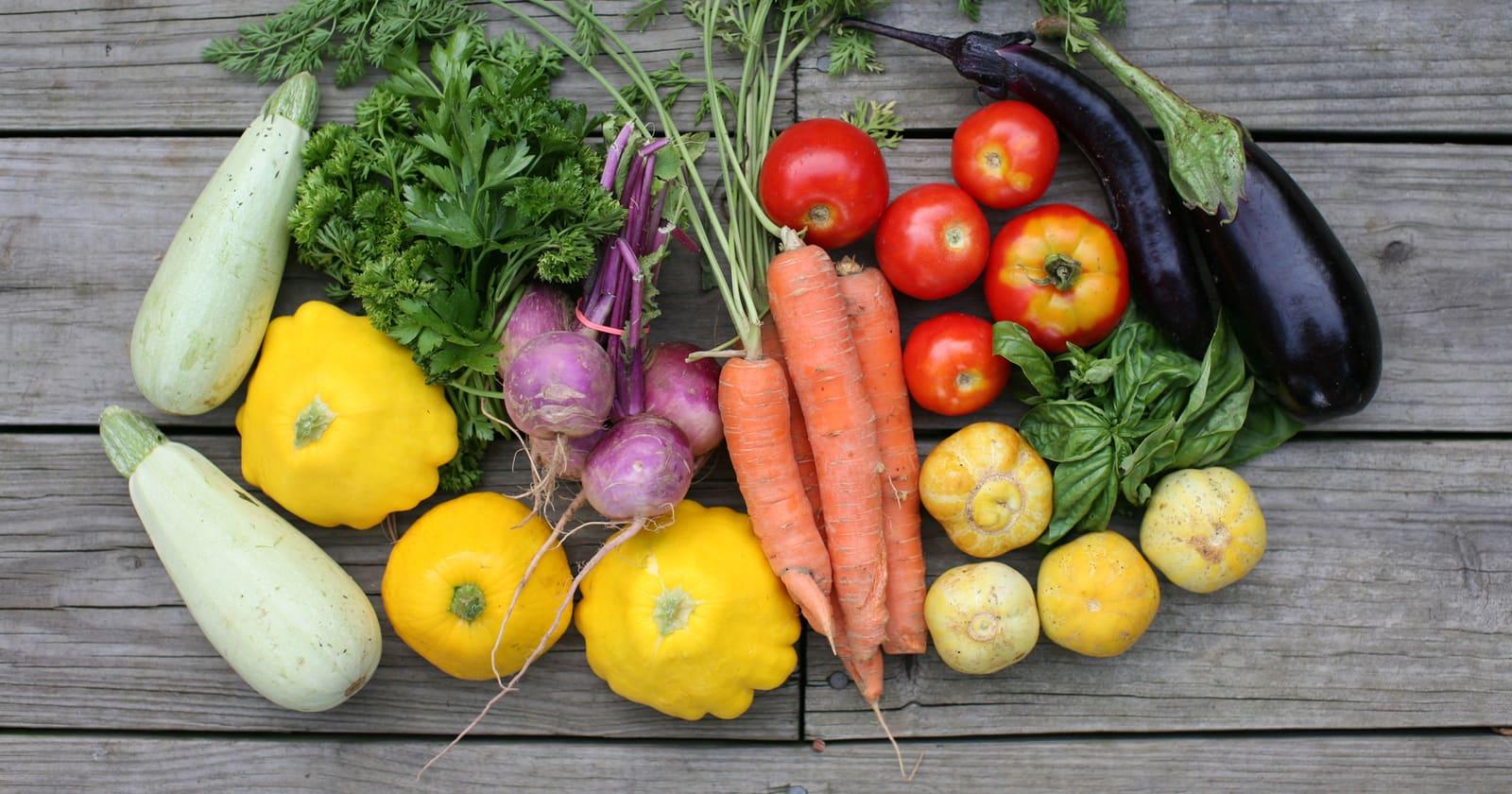
A CSA farm share is a subscription to one farm's harvest: you pay for a season of produce, usually before it is planted, and pick up a box of whatever the farm harvested that week. In return for the early money, you take on part of the farm's risk, so a bad year means smaller boxes and, in most cases, no refund.
How a CSA Farm Share Works
CSA stands for community supported agriculture. USDA's Agricultural Marketing Service, which keeps a national CSA directory, describes it as a farm or group of farms offering regular, usually weekly, deliveries of local farm products during one or more harvest seasons, on a subscription or membership basis, paid for partly or fully in advance.
The advance payment is the point of the arrangement. Penn State Extension's guide to running a CSA explains that members' money lets the farmer buy seed and supplies and pay workers without waiting for the harvest. It is also blunt about what members give up: by paying before planting, they "essentially assume the risk of crop failure or pest or disease problems," and a refund will not be issued if no crops are harvested.
The same guide says the share price is often worked out from the farm's costs and the final number of members, so a price published in the fall may be an estimate of what you pay when the season starts.
CSAs are less common than they were. The USDA National Agricultural Library's CSA page puts the number of farms selling through CSAs at 12,617 in 2012 and 7,244 in 2020, when they made up about 7.75 percent of farms' direct-to-consumer sales.
What Comes in the Box
A share is whatever is ready that week, not a shopping list. Penn State says most CSAs put eight to twelve kinds of vegetables, herbs and fruit in a summer share, and that a weekly share typically weighs five to seven pounds. The share in the photo above is one member's box from a week in late July: zucchini, pattypan squash, turnips, carrots, lemon cucumbers, tomatoes, eggplant, parsley and basil.
What is in the box changes through the season and depends on your region, which this guide to seasonal produce covers in more detail. Some farms also sell winter shares, which Penn State says are usually handed out just once a month because there is less to pick.
Vegetables are the standard share, but not the only one. Ohio State University Extension's fact sheet on CSA meal planning notes that many CSAs offer other shares too, such as meat, cheese, eggs, or specialty items like locally roasted coffee.
Expect produce that looks like it came from a field. Penn State tells farms to warn members that using fewer pesticides means more insects visible on the produce, and that the vegetables will sometimes be dirty. Neither is a sign of a bad farm.
Payment Plans and Working Shares
Ohio State's fact sheet says the money is most often paid up front, before the growing season, though some farms take installments. Penn State suggests that farms charge a billing fee or interest on scheduled payments, or give a discount for paying the whole share up front, so at many farms paying in one go costs less.
Some farms offer working shares: a lower price in exchange for a set number of hours of farm work each week. Ohio State and Penn State both describe them. Penn State adds that some CSAs require every member to work, which is worth knowing before you sign. Farms that worry about injuries in the field may give members other jobs instead, such as helping at a distribution site or writing the newsletter.
Paying for a CSA With SNAP
SNAP benefits can be used for a CSA share, with one important difference. According to USDA's notice to SNAP retailers on the 2014 farm bill, farmers markets and direct marketing farmers running a CSA, both non-profit and for-profit, may accept SNAP payment up to 14 days before they deliver the food or make it available for pickup.
In practice, that means paying in two-week pieces through the season rather than all at once in spring. The farm has to be authorized to accept SNAP, so ask before you join. Our list of markets that accept SNAP and EBT is a starting point, and this guide explains how EBT works at a market.
Questions to Ask Before You Sign Up
Penn State's guide is written for farmers, but the things it tells them to spell out are the same things you should ask about:
- The price and what it covers. Is the published price final, or an estimate until membership closes? Are there full and half shares, and what does each weigh in a typical week?
- Payment schedule. When is money due, and is there a discount for paying in full or a fee for installments?
- What happens in a bad week. Penn State describes farms that split members into two groups and alternate them when a crop runs short, and farms that trade with other growers to widen what goes in the box. Ask how this farm handles it.
- Work requirements. Are member hours required, and what kind of work is it?
- Pickup. Penn State lists the farm itself, a central site such as a farmers market, church or park, home delivery, and a local food co-op as common options. It tells farms to be specific about the day, the time, and how long staff stay at the site. If the window is two hours on a weekday afternoon, make sure you can get there.
- Missed pickups. If you cannot make it one week, can someone else collect your share, and what happens to a box nobody picks up?
- Advance notice of the produce. Some farms publish a schedule of what should be ready when, or a weekly preview. That makes the box much easier to plan around.
Where to Find a Farm Share
The USDA directory linked above is one place to look. Farmers markets are the other easy route: many CSA farms sell at a market, and some use it as their pickup site. Our page of markets with online ordering, delivery or a CSA can be filtered to show markets that list a CSA. Coverage there is incomplete, because few markets report it, so browse the market directory for markets near you and ask the farmers at their stands whether they run one.
Getting Through a Full Box Every Week
Penn State lists members getting more vegetables than they can use among the common problems, and tells farms to set up a table where members can leave items they do not want for others to take, so check whether your pickup site has one.
Ohio State's fact sheet has practical advice for the rest. Look at the farm's newsletter or social media preview before pickup day and plan two to three recipes for each item you expect. Keep a few flexible meals in rotation, like frittatas and stir-fries, that can take whatever is in the box. Swap unfamiliar vegetables into dishes you already know, such as shaved kohlrabi in a slaw.
Eat the most perishable things first. The fact sheet says delicate greens should go early, while root vegetables keep one to two weeks in the refrigerator once their greens are cut off. For what is left over, it recommends canning, freezing or drying using tested recipes such as those from the National Center for Home Food Preservation, and notes that many vegetables have to be pressure canned rather than processed in a water bath. Some items in a share do better out of the fridge: our guides to storing tomatoes and onions cover two of them.