What Produce Is in Season? It Depends on Where You Live
Farmer Markets5 min readGuide
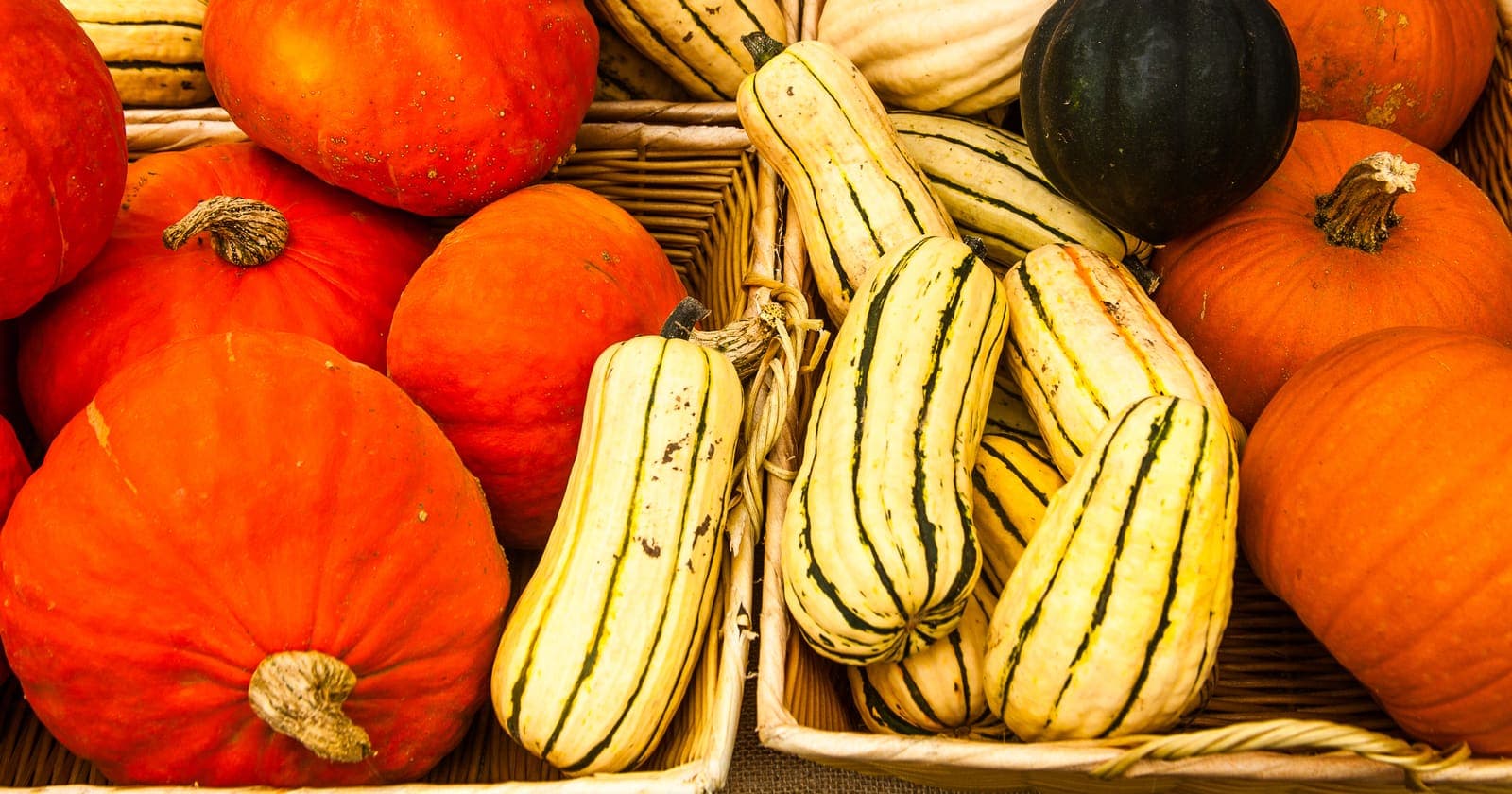
Right now, in October, most of the country is in fall produce: apples, pears, winter squash, pumpkins, potatoes, sweet potatoes, cabbage, Brussels sprouts, and leafy greens like kale and collards. Spring brings asparagus, peas, rhubarb and strawberries, and summer is tomatoes, corn, peppers, berries and melons.
That is the national picture. What is actually on the table at your market depends on your state, and the difference can be months. Below is the season-by-season list, why it only gets you halfway, and how to find the calendar that fits where you shop.
The National List, Season by Season
The best plain reference is the USDA's Seasonal Produce Guide, published by its SNAP-Ed program. It sorts fruits and vegetables into four seasons. A selection from each:
- Spring: asparagus, broccoli, cabbage, collard greens, kale, lettuce, peas, radishes, rhubarb, spinach, strawberries, Swiss chard and turnips.
- Summer: apricots, beets, bell peppers, blackberries, blueberries, cantaloupe, cherries, corn, cucumbers, eggplant, green beans, okra, peaches, plums, raspberries, summer squash, tomatoes, watermelon and zucchini.
- Fall: apples, Brussels sprouts, cauliflower, cranberries, parsnips, pears, pomegranates, potatoes, pumpkin, rutabagas, sweet potatoes, turnips and winter squash.
- Winter: Brussels sprouts, cabbage, grapefruit, kale, leeks, oranges, parsnips, pears, potatoes, sweet potatoes and winter squash.
The guide links each item to its own page with recipes and nutrition notes. The USDA's own summary of the guide gives the practical reason to care: it is a reminder of when fruits and vegetables are in season and, therefore, cost less.
Why the National List Only Gets You Halfway
Read the USDA lists closely and a few things stand out. Bananas and plantains appear in all four seasons. So do lemons and limes. That tells you who the list is for: someone shopping a supermarket that sources from everywhere.
The guide says as much in its own first lines: seasonal produce in your area will vary by growing conditions and weather. At a farmers market, "in season" means in season on the farms selling that morning, and that is a much narrower window than the supermarket's.
Some items show up in both fall and winter on the USDA list: cabbage, onions, pears, potatoes and winter squash among them. Those are the ones to look for once the fresh greens are gone. If you are buying onions or garlic in bulk this time of year, our guides to storing onions and storing garlic cover what to do once you get them home.
Two States, Opposite Calendars
The clearest way to see the regional gap is to put two state calendars next to each other.
South Dakota State University Extension publishes a Dakota Grown harvest calendar that runs from March to December. Its windows are short and mostly in the second half of the year:
- Asparagus: May-June
- Strawberries and raspberries: June-September
- Tomatoes, sweet corn, cucumbers and watermelon: July-September
- Apples: July-October
- Winter squash, sweet potatoes, turnips and rutabagas: August-November
The calendar notes that availability may vary with weather and other growing factors. It does not even bother with January or February.
Florida's Department of Agriculture publishes a seasonal availability chart for the same kinds of crops, and it reads almost like the South Dakota calendar flipped over:
- Strawberries: December-April
- Broccoli: December-April
- Sweet corn: November-May
- Tomatoes: October-June, with a gap from July through September
- Mangoes: May-September
The hottest months are Florida's quiet stretch. Of the 34 crops on the state's chart, only four are marked in season in August: avocado, mango, mushrooms and peanuts. In January it is the opposite: 26 of the 34 are in season.
So a strawberry in March is a local, in-season strawberry in Tampa and an impossibility in Sioux Falls. Neither state is wrong; they just grow on different clocks.
The market schedules follow the same pattern. Our directory lists 228 farmers markets in Florida, and 38 of them describe their season as year-round. Of the 18 markets in South Dakota, none do.
What Is in Season in October
Since it is mid-October, here is what the two calendars above say for this month.
In South Dakota, October is late harvest. The calendar has apples, beets, cabbage, carrots, cauliflower, eggplant, garlic, grapes, leeks, onions, parsnips, pears, potatoes, pumpkins, radishes, spinach, summer and winter squash, sweet potatoes, and turnips and rutabagas all in season this month. Several of those end in October, so the selection drops quickly after it.
In Florida, October is the start of the season rather than the end. Bell peppers, cucumbers, eggplant, snap beans, squash and tomatoes all come back in October on the state chart after a summer off, and citrus is returning too: grapefruit from October, oranges and tangerines from September.
Most of the country sits somewhere between the two: a long fall table of squash, apples and root vegetables, thinning out as frost comes. The cover photo here, from a market in Brunswick, Maine, in late September, is what that looks like.
How to Find the Calendar for Your Area
A national list is fine for a grocery run. For a market, these work better:
- Search for your state's harvest calendar. Many state agriculture departments and university extension services publish one, usually as a one-page PDF. Search your state name plus "harvest calendar" or "seasonal produce," and prefer a result from a .gov or .edu site.
- Look at the dates, not just the list. A calendar that says July-September for tomatoes is telling you when the first ones arrive and when the last ones go, so it is also telling you how long you have left.
- Ask the grower. The person behind the table knows what is coming next week and what just finished. It is also the fastest way to find out whether something on the table was grown on that farm.
- Check that the market is still open. Outdoor markets close for the winter across much of the country. Our guide to market seasons and hours explains how to read a schedule, and you can filter by day and hours to see what is running this week.
The full market directory has 9,132 listings, and just over 1,000 of them describe their season as year-round, which is the short list to start from once November comes. Another 218 have "winter" in their name, which is worth a search of its own.