Your First Visit to a Farmers Market: A Practical Guide
Farmer Markets4 min readGuide
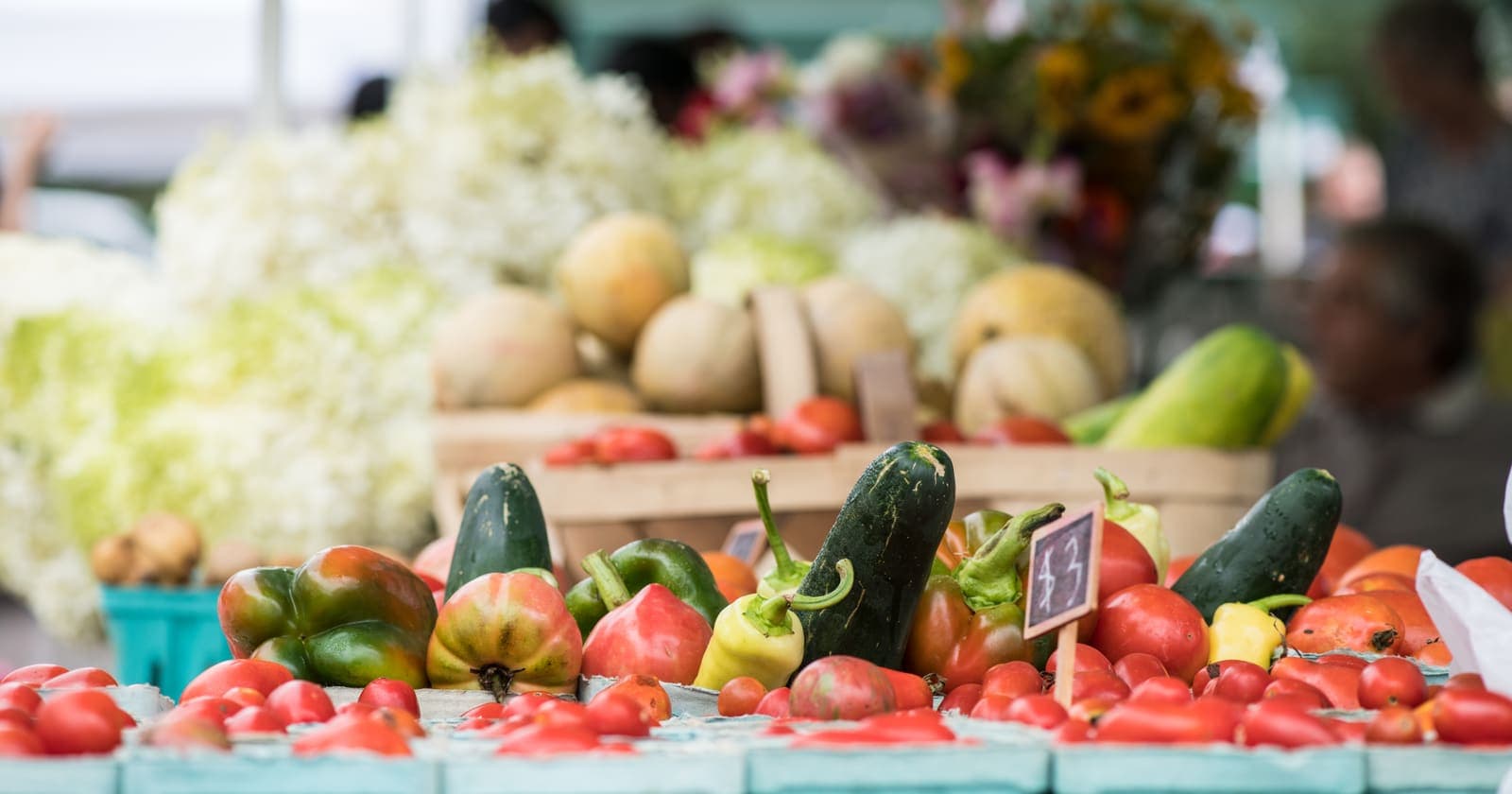
A farmers market is not a smaller grocery store. The stock changes week to week, and there is no aisle sign telling you where anything is. That throws off plenty of first-timers, who arrive with a written list and leave annoyed that nobody had celery. Once you know how the morning goes, it becomes the easiest errand of the week.
Before You Go
Look up the market first. Market days and hours shift with the season, so a market that ran until one o'clock in July may pack up at eleven in October. Listings in the directory show the market day and hours when the source data has them, along with which payment and food assistance programs a market takes and what it sells. You can also browse opening days and hours across the directory if your own schedule is what decides it.
Bring a bag, and then bring a second one. Vendors usually have plastic bags, but they run out by mid-morning and a single bag full of tomatoes does not survive the walk to the car.
Bring cash too, including small bills. Many vendors take cards or phone payments now, though not all do, and card readers lose signal in a field often enough to matter. Handing a twenty to a grower at eight in the morning for one bunch of radishes also cleans out their change drawer.
When to Show Up
Early is for selection. Berries, eggs, mushrooms, and anything a farm only brings a few flats of tend to sell out in the first hour. If there is one specific thing you came for, be there when the market opens.
Late is for the occasional bargain. A vendor would rather sell the last case of peaches at a discount than load it back onto the truck, so prices sometimes soften in the final half hour. You are shopping whatever is left, so treat it as a bonus rather than a plan.
How to Shop
Walk the whole market once before you buy anything. Quality and price vary from stand to stand, and the fourth tomato grower may have the variety you actually wanted for less than the first one charges.
Come with a loose idea instead of a fixed list. Buy what looks best that week and figure out dinner from there. A market rewards that kind of shopping and punishes the other kind.
Ask questions. The person behind the table almost always grew or made what is sitting in front of you. Ask when it was picked, which apple holds up in a pie, how they cook the leafy thing you cannot identify. Ask what to do with an unfamiliar vegetable and you will usually get a real recipe back.
What Things Cost
Market prices reflect produce picked close to ripe and grown at a small scale, so some items run higher than the supermarket and plenty run lower, especially at the peak of a season.
If a vendor offers seconds, take a look. Seconds are the bruised, split, or oddly shaped pieces, sold cheap because they will not last on the table. For sauce, jam, or the freezer, they are the best deal in the place. Not every stand puts them out, so ask.
Do not haggle hard. This is not a flea market, and the margin on a bunch of carrots is thin. Asking about a bulk price on a whole case is normal and welcome. Pressing a farmer to knock a dollar off is not.
Small Things That Make You a Good Customer
- Step aside once you have paid, since the front of a stall is narrow and someone is behind you.
- Keep dogs on a short leash and park strollers out of the walkway when the aisles fill up.
- Ask before handling delicate produce. Some growers prefer to pick it out for you.
- Bring your bags back to the same vendors. They notice.
If You Use SNAP, WIC, or FMNP
Many markets take SNAP through a central booth that swipes your card and hands you tokens to spend at the stands, and some markets add matching dollars for fruit and vegetables. Our guide to using SNAP and EBT at farmers markets walks through how that works, and you can see every market that accepts SNAP, WIC, or FMNP in one list.
When you are ready to pick a market, the directory of thousands of farmers markets lists market days, hours, products, and official websites, built from USDA Local Food Portal data and government open data. Find the one closest to you, check what day it runs, and go walk a lap.